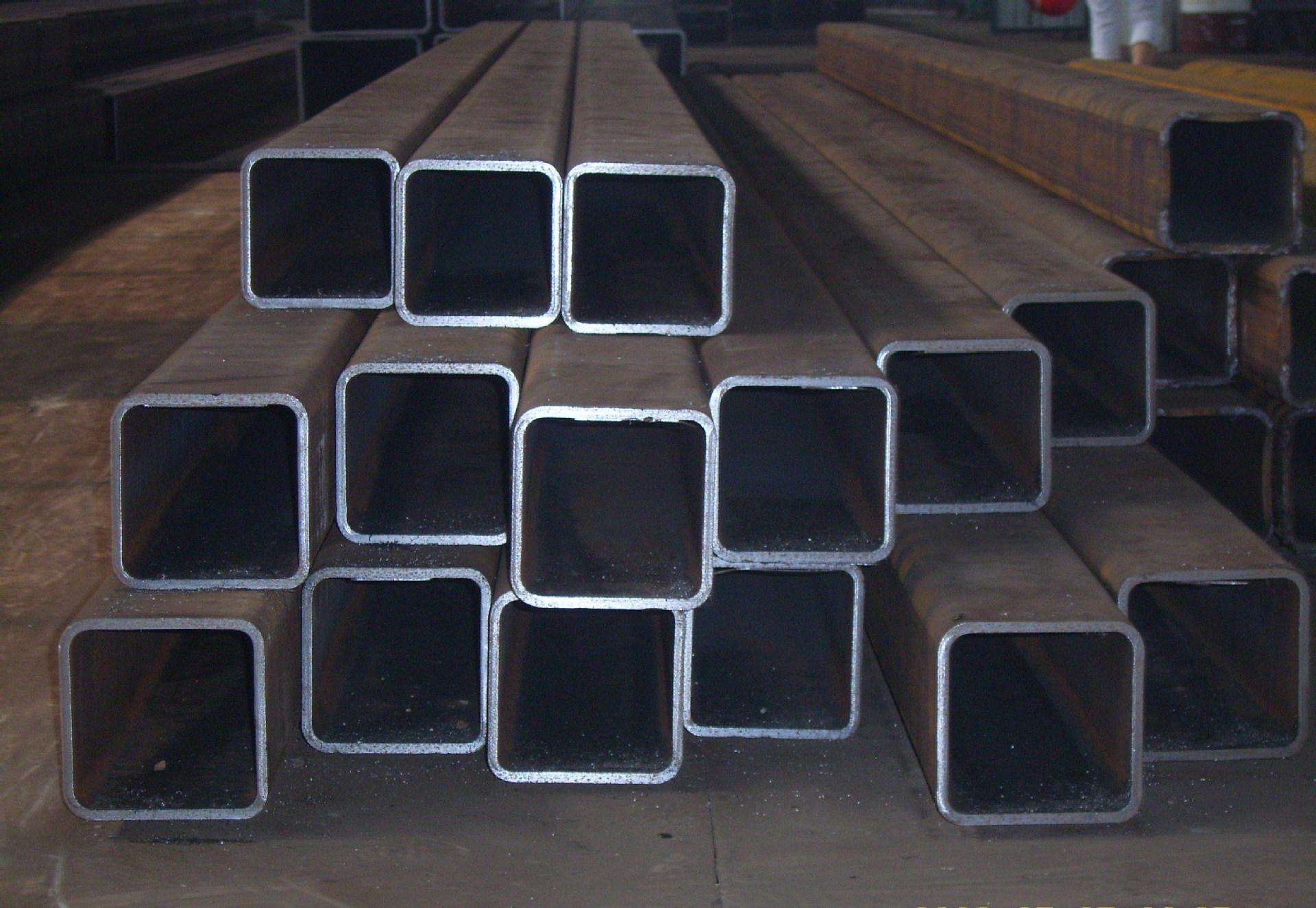
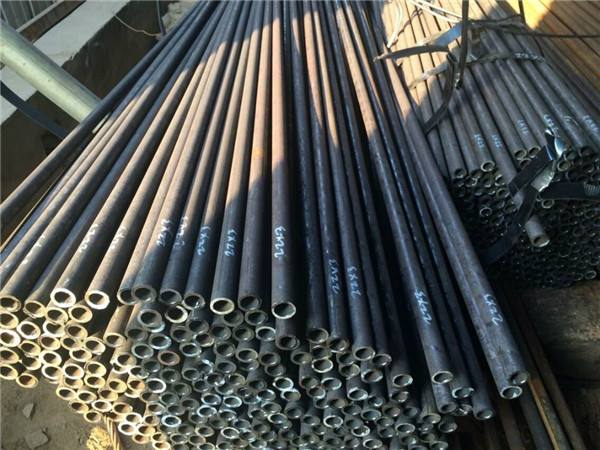
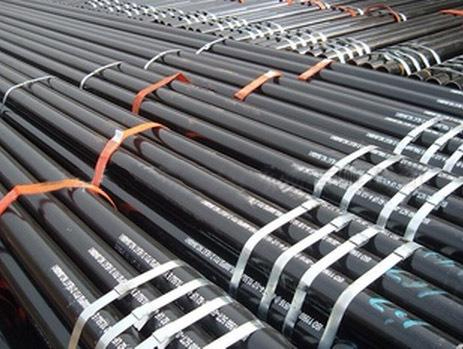
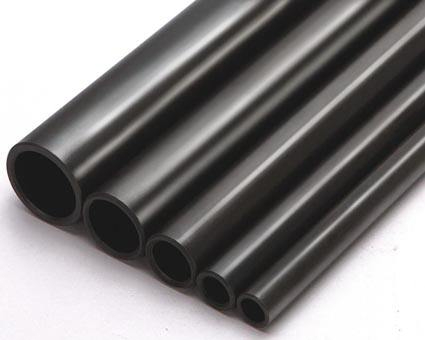
ND鋼直縫焊管中一種新型的工業使(shǐ)用(yòng)產品,這種產品的出現在工(gōng)業裏的(de)使用優勢非常的多,操作起來簡單,處(chù)理時也比較的方便。廣泛應用於電(diàn)廠(chǎng)和煉油廠製造在高含硫(liú)煙氣(qì)中(zhōng)工作的省煤(méi)器、ND鋼鋼管空氣預熱器、ND鋼鋼管熱交換器和蒸發器等用以抵禦含硫煙氣結露腐蝕。因(yīn)此在工業裏常使用到它(tā)。那麽ND鋼鋼管在使用的過程中出現問題的(de)解決方法是什麽呢?現在小編就為大家(jiā)介紹一下。 ND鋼直縫鋼管(guǎn)預焊常見問題處理:
ND steel straight seam welded pipe is a new type of industrial product. This product has many advantages in industry. It is easy to operate and easy to handle. It is widely used in power plants and refineries to manufacture economizers, ND steel pipe air preheaters, ND steel pipe heat exchangers and evaporators working in high sulfur-containing flue gas to resist sulfur condensation corrosion. So it is often used in industry. So what are the solutions to the problems in the use of ND steel pipe? Now Xiaobian will introduce it to you. Common problems of ND steel straight seam steel pipe pre-welding: 一、錯邊。
1. Misalignment.
這是預焊中最(zuì)常見問題,錯邊超差,直接導致ND鋼管的降級或報廢。所以,預焊時要求嚴格(gé)控製錯邊量。當(dāng)整根或大半根鋼管坯出現錯邊超差時,一般是由於:
This is the most common problem in pre-welding. Over-error of staggered edge directly leads to the degradation or scrap of ND steel pipe. Therefore, the amount of staggered edges should be strictly controlled during pre-welding. When the whole or most of the billets are out of tolerance, it is generally due to:
(1)開口縫調整不到位(wèi)
(1) Inadequate adjustment of opening seam
(2)合縫(féng)壓輥調(diào)整不到位(壓輥的周向角度不對,或以管坯中心線為軸線,左右壓輥不(bú)對稱,或相對的壓輥的徑向伸長量不一致),沒有壓圓。
(2) The seam pressing roll is not adjusted properly (the circumferential angle of the pressing roll is not right, or the center line of the billet is the axis, the left and right pressing rolls are not symmetrical, or the relative radial elongation of the pressing roll is not the same), and there is no pressing circle.
(3)預彎(wān)邊沒有預彎到位,板邊豐在(zài)直邊現象所致。當管坯的頭或尾的、出現錯邊超差時,一般是由於進出口輥(gǔn)道的位(wèi)置不對;環形架中心不對;合縫壓輥壓圓不好,個別壓輥位置偏差;成型不好(成型後的管坯兩邊高(gāo)低相差較大;開口縫寬(kuān)在150mm以上);液壓係統壓力波動所致。
(3) The pre-bending edge is not in place, and the abundant plate edge is caused by the phenomenon of straight edge. When the head or tail of the billet is out of alignment, it is generally due to the incorrect position of the inlet and outlet rollers, the incorrect center of the ring frame, the incorrect rounding of the seam pressing rollers, the deviation of the position of individual rollers, the bad forming (the difference between the height of the two sides of the billet after forming is large; the width of the opening gap is more than 150 mm), and the pressure fluctuation of the hydraulic system.
二、背麵焊瘤、燒穿。
2. Back welding nodules and burn-through.
背麵焊瘤,若清除,耗時,影響生產過(guò)程的正(zhèng)常進行;不清除,影響內焊焊接成型及內焊焊縫的(de)跟蹤。燒(shāo)穿,影響內外焊質量,需填補(bǔ)。
If the back welding spot is cleared, it will take time to affect the normal production process; if it is not cleared, it will affect the formation of internal welding and the tracking of internal welding seam. Burn-through, affect the quality of internal and external welding, need to be filled.
產生背麵(miàn)焊瘤和(hé)燒穿的原因,一(yī)般是以下幾點(diǎn):
The reasons for the back weld and burnout are generally as follows:
(1)合縫不緊,也有可能是液壓係統壓(yā)力過低;
(1) The seam is not tight, or the pressure of the hydraulic system is too low.
(2)成型不好,圓度(dù)偏差大
(2) bad forming and large roundness deviation
(3)預焊(hàn)工藝(yì)參數選擇(zé)不當。一定的焊接電流和電弧電壓要配以適(shì)當的焊接速度,線能量過大或焊(hàn)速過(guò)低,都易(yì)產背麵焊瘤和燒穿。
(3) improper selection of pre-welding process parameters. Certain welding current and arc voltage should be matched with appropriate welding speed. Excessive linear energy or low welding speed are easy to produce back welding nodules and burn-through.
三、氣孔。
3. Stomata.
預焊焊縫氣孔導(dǎo)致內(nèi)外焊的內部缺陷。預焊焊縫產生氣孔,一般是由於以下幾點:
Porosity in pre-welded seam leads to internal defects in internal and external welding. Gas holes in pre-welded seams are generally caused by the following factors:
(1)保護氣體(tǐ)質量不佳,如含有水分,壓力流量不夠等;
(1) The quality of protective gas is not good, such as water content, insufficient pressure and flow rate, etc.
(2)焊槍出現(xiàn)部分堵塞保護氣體形成的氣罩不均,有害氣體攪人
(2) Gas shield formed by partial blockage of welding torch is uneven and harmful gas is disturbing.
(3)坡口上有(yǒu)鏽蝕(shí)、油汙等所致。
(3) Rust and oil stain on the groove.
四、焊(hàn)縫成型差。
4. Poor weld formation.
焊縫成型差,影響後序的內外焊跟(gēn)蹤,影響焊接(jiē)過程的穩定,從而影響焊接質量。焊縫成型與線能量密切相關,焊接電流、電弧(hú)電壓一(yī)定,焊速增大,焊縫熔(róng)深和熔(róng)寬減小,導致焊縫成型(xíng)差。當焊縫中產生氣孔時,也常常產生焊縫成型差現象。
The poor weld formation affects the internal and external welding tracking of the sequence, affects the stability of the welding process, and consequently affects the welding quality. Weld formation is closely related to linear energy. With a certain welding current and arc voltage, the welding speed increases and the penetration and width of the weld decrease, resulting in poor weld formation. Poor weld formation often occurs when gas holes occur in the weld.
五、飛濺。
5. Splash.
預焊中飛(fēi)濺容易燒(shāo)傷鋼管表麵或坡口,且不易清除,從而影(yǐng)響焊接質量和鋼管(guǎn)外表麵質量。產生飛濺(jiàn)的原因主要是保護氣體成分不對或工藝參數不對,應搞保護氣(qì)體中氬氣的比例。
Splash in pre-welding is easy to burn the surface or groove of steel pipe, and is not easy to remove, thus affecting the welding quality and the external surface quality of steel pipe. The main reason for spatter is the incorrect composition of protective gas or the incorrect process parameters. The ratio of argon in protective gas should be determined.