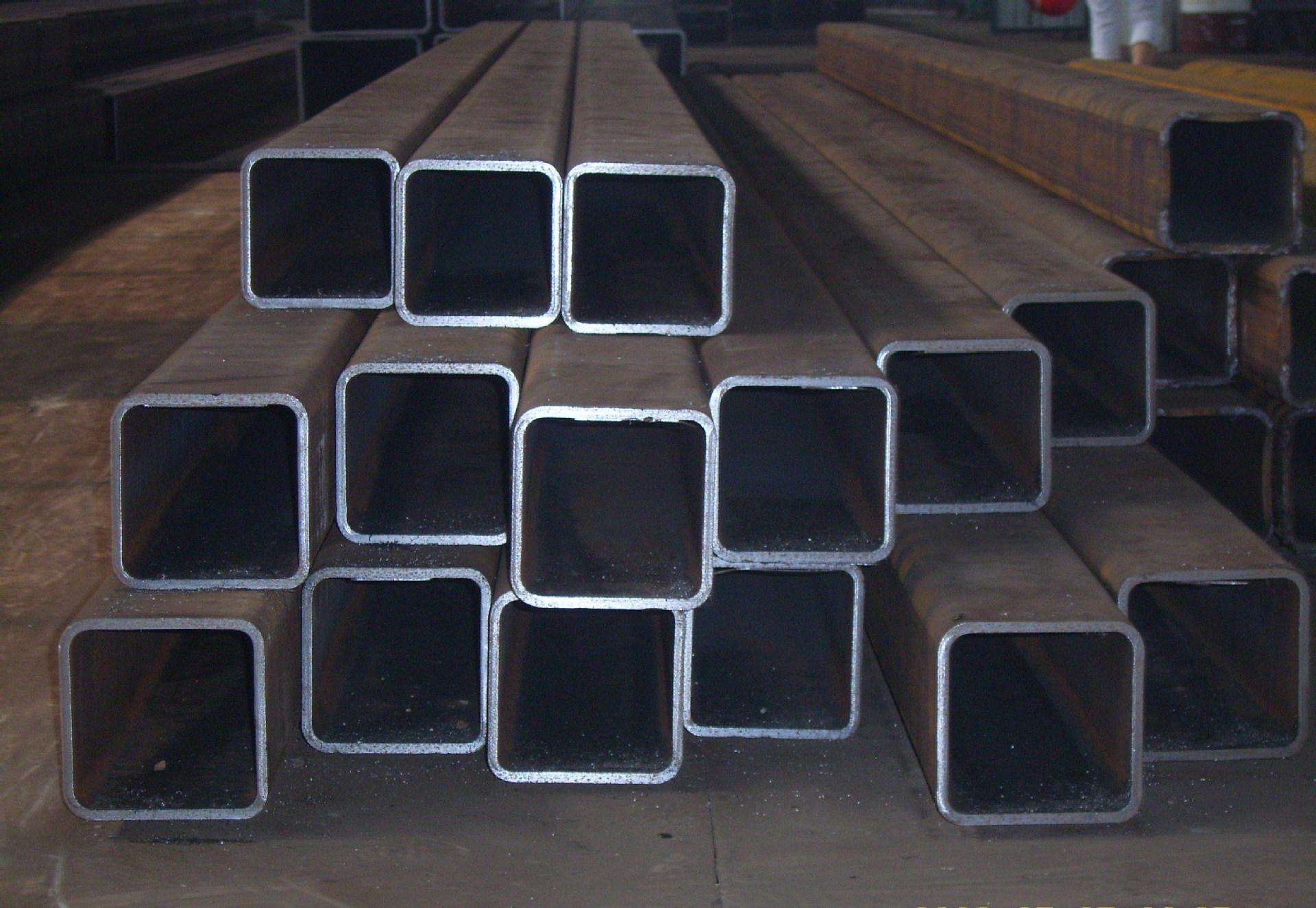
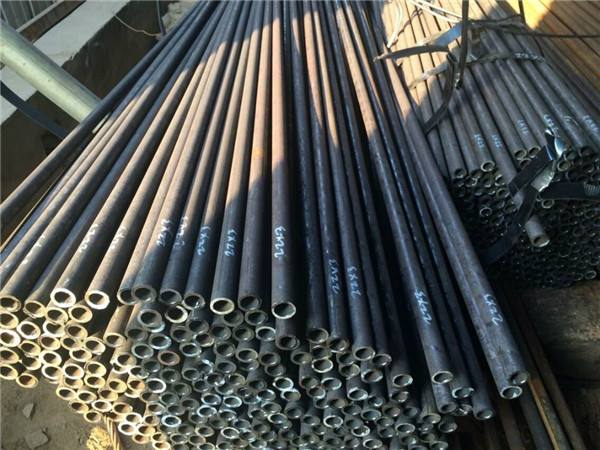
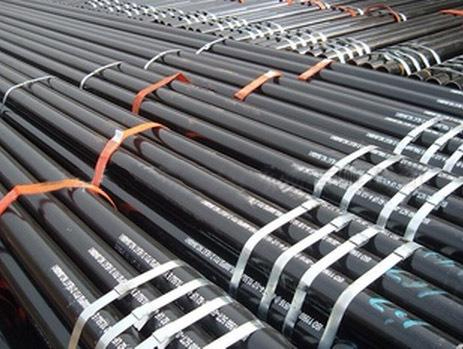
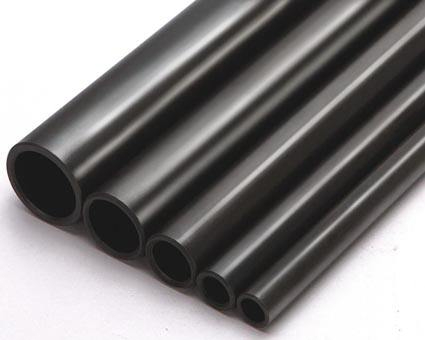
大家都知道,焊縫的好(hǎo)壞決定了(le)直縫焊管質量的優劣,一旦直縫焊管焊縫產生氣孔,那不僅影響管道焊縫致密(mì)性,造成管道泄漏,而且會成為腐蝕的誘發(fā)點,嚴重降低焊縫強度和韌性。一般來說焊劑中的水分、汙物、氧化皮和鐵(tiě)屑,焊接的成份及覆(fù)蓋厚度,鋼板的(de)表麵質量以及鋼板邊(biān)板處理,焊接工藝及鋼管(guǎn)成型工藝等都可能是焊縫產生氣孔的原因。所以,在焊接時,焊接溫度高,則使焊縫過燒,形成穿(chuān)孔(kǒng),含有(yǒu)適量的CaF2和SiO2時(shí),會(huì)反應吸收大量的H2,生成穩定性很高且不溶於液態金屬的HF,從(cóng)而可以防止氫氣孔的(de)形(xíng)成;焊(hàn)縫的成型係數過小,焊縫的形狀窄而深,氣體和夾雜物不(bú)容易浮出,易形成氣(qì)孔和夾(jiá)渣;直(zhí)縫直縫焊管 鋼板板邊應(yīng)設置鐵鏽和毛刺清除裝置,以減少產生氣(qì)孔的可能。
As we all know, the quality of longitudinal welded pipe depends on the quality of the welded seam. Once the gas hole is produced in the weld of the longitudinal welded pipe, it not only affects the compactness of the pipeline weld and causes the leakage of the pipeline, but also becomes the corrosion induction point, which seriously reduces the strength and toughness of the weld. Generally speaking, the moisture, dirt, oxide scale and iron scraps in flux, the composition and thickness of welding, the surface quality of steel plate, the treatment of steel plate edge, welding process and steel tube forming process may all be the reasons for the porosity in the weld. Therefore, when the welding temperature is high, the welding seam will be overheated and perforated. When the welding seam contains appropriate amount of CaF2 and SiO2, it will react and absorb a large amount of H2 to form HF which is stable and insoluble in liquid metal, thus preventing the formation of hydrogen pore. The forming coefficient of the welding seam is too small, the shape of the welding seam is narrow and deep, gas and inclusions are not easy to emerge, and gas and slag are easy to form. Rust and burr removal devices should be installed at the edge of longitudinal welded pipe steel plate to reduce the possibility of air hole.

焊接溫度是影(yǐng)響焊縫質量的關鍵參數,清除裝置的位置最好安裝(zhuāng)在銑邊機和圓盤(pán)剪(jiǎn)後,裝置的結構是一邊2個上下(xià)位置(zhì)可調整間隙的主動鋼絲輪,上下壓緊板邊(biān);焊劑的堆(duī)積厚度一般為25-45mm,焊劑顆粒度大、密度小時堆積厚度取最大值,反之取最小值;大電(diàn)流、低焊速堆積(jī)厚度取最大值(zhí),反之取最小值,此外,夏天或(huò)空氣濕度大時,回收的焊劑應烘幹後再使用;為了減少磁偏吹的影響,應使工(gōng)件上(shàng)焊(hàn)接電纜的連接位置僅可能遠離焊接終端,避免部分焊接電纜在工(gōng)件上(shàng)產生次級磁(cí)場;應適(shì)當降低焊接速度或增大電流,從而(ér)延遲焊縫熔池金屬的結晶速度,以(yǐ)便於氣體(tǐ)逸出(chū),同時,如果帶鋼遞送位置不穩定,應及時進行調整(zhěng),杜絕通過頻繁微調前(qián)橋或後橋(qiáo)維持(chí)成型,造成氣體逸出困難;為避免(miǎn)開卷矯平脫落的氧化鐵皮等雜物進入成型工序,應設置板麵清掃裝置。
Welding temperature is the key parameter affecting weld quality. The locations of clearance device is best installed after milling machine and disc shear. The structure of the device is an active steel wheel with adjustable clearance in two upper and lower positions on one side, and the upper and lower edges of the plate are pressed tightly. In addition, in summer or when the air humidity is high, the recovered flux should be dried and reused; in order to reduce the influence of magnetic bias blowing, the connection position of welding cable on workpiece should be only far away from the welding terminal, so as to avoid the secondary magnetic field produced by some welding cable on workpiece; the welding speed should be reduced or the current should be increased appropriately, so as to delay the welding seam. At the same time, if the delivery position of strip steel is unstable, it should be adjusted in time to avoid the difficulty of gas escaping through frequent fine-tuning of the front or rear axles. In order to avoid unwinding, leveling off iron oxide sheet and other debris entering the forming process, a plate cleaning device should be set up.